


TechTrek: Navigating the Future of Healthcare in Oncology
- gilliangillies0
- Mar 24, 2024
- 10 min read

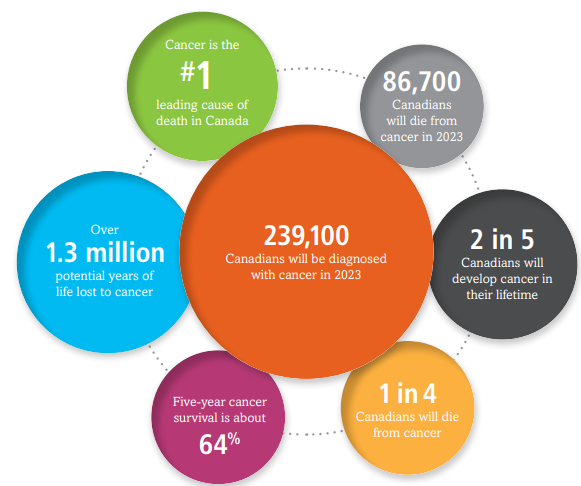
To be honest, I couldn’t resist engaging with this week's learning activity in my Masters program; the research and future of healthcare is truly bright and exciting! As we've explored in previous learning activities of this course, there are significant global health challenges stemming from the prevalence of chronic diseases, infectious diseases, and the security of healthcare delivery (Schiavone, 2021). While delving into emerging trends with potential impacts on the future of healthcare, I maintained a focus on oncology. Despite the increasing incidence of cancer diagnoses, there's reason for optimism regarding the future of cancer care. Cutting-edge advancements and breakthroughs, such as Artificial Intelligence (A.I.), Genomic Medicine, Alpha and Beta radiation therapies, nanoparticles, cryo-electron microscopy, and robotic surgery, are driving progress in cancer care.
Technology in Health Care
We are currently in a transformative era of cancer research. There are many new innovations paving the way for breakthrough treatments. There is anticipation that technology will lead to even greater improvements in the healthcare system (Canadian Medical Association, 2019). In a survey done by the Canadian Medical Association, many feel that technology will help with health efficiencies, remove administrative burdens on care providers, and allow for better health outcomes (Canadian Medical Association, 2019).
The Evolution of AI
It would be wrong of me not to start with the new technological advancements and role of AI in health care. In the next ten years AI programs or robots will be able to provide real health care services, such as robot assisted surgery, early diagnosis, and assist with screening of various diseases and conditions. 7/10 Canadians believe medical appointments are likely to be booked through an AI system in the next 10 years. Over 2/3 believe these advancements in AI technology will also have a positive impact on their lives (Canadian Medical Association, 2019). AI has a future role in screening, diagnosis, treatment selection, and decisions around salvage therapy (Christie, 2020).


(Canadian Medical Association Survey, 2019)
Specifically, here in Canada, many cancers centres are dedicated in achieving transformational discoveries to shape the future of cancer care in using AI. There is great hope that AI will uncover previously undetectable trends and unseen linkages by integrating diverse data sources to enhance cancer care. One of the most well know cancer centres in Canada, the Princess Margaret Cancer Centre, has devoted their centre to collaborate with leading AI research to apply cutting-edge machine learning approaches (Princess Margaret Cancer Centre, 2019).
AI in Scientific Research: AI in research involves programming a computer to act, reason, and learn. It’s great at finding patterns in large amounts of data, which is particularly helpful in scientific research. Currently researchers in the United States are using AI to analyze imaging data and electronic health records to tailor patients’ radiation doses. AI is even being utilized to quickly analyze population-based cancer data and estimate the probability of certain cancers. AI has the potential to truly transform research in cancer care. (National Cancer Institute, n.d.)
AI - Diagnosing Cancer: Improving early-stage diagnosis in cancer is a key priority of the World Health Organisation (Hunter, 2022). In many tumour groups, screening programmes have led to improvements in survival. Since the COVID-19 pandemic, strain has been placed on pathology and radiology (screening) services. Thankfully, AI algorithms could assist clinicians in screening asymptomatic patients at risk of cancer, and more effectively diagnosing cancer recurrence (Hunter, 2022).
AI – Skin Cancers Diagnosis: Given the visual nature of dermatology, recent research has explored the ability a (trained) convolutional neural network (CNN) to detect skin cancers. CNN is a type of AI neural network able to detect, recognize, and classify visual imagery. CNNs have given excellent diagnostic accuracy in studies to date. CNNs illustrates accuracy in correctly categorizing biopsy-confirmed images of skin cancers and lesions. CNNs have the potential to significantly improve the detection of skin cancer with just the use of a smartphone (Lukewich, 2019).
AI -Colon Cancer Screening: Although not a perfect science to date, AI is also being studies for the use of diagnosing and treating colorectal cancer (CRC), and may improve clinical outcome (Mitsala, 2021). AI has already helped to provide physicians with assistance in detecting, characterizing, and diagnosing precancerous lesions or early-stage CRC. However, additional clinical trials are required to evaluate the diagnostic accuracy of AI systems (Mitsala, 2021).
AI-Breast Cancer Screening: AI has already been studied on a global level to improve mammography screening accuracy and reduce screen-reading workload for Radiologist. Research has indicated that the use of AI in mammography screening is safe (Lang, 2023). Some researchers still question the effectiveness of AI used in breast screening, especially for those with dense breast tissue, which hides the cancer. Specifically, here in Canada, Sunnybrook Hospital’s Dr. Martin Yaffe has developed an AI algorithm that can analyze images from a mammogram and flag women whose normal dense breast tissue might be masking underlying cancer (Ontario Institute for Cancer Research, 2024). AI’s ability to analyze and classify tissues could also help transform breast cancer screening since mammography is one of the most important tools to identify breast cancer. Although there has been significant gains, research is still needed to determine the tool's success. AI tool is not intended to replace radiologist as some fear.
AI Screening for breast cancer (CTV News, 2023)
AI- Lung Cancer Screening and Diagnosis: AI based prediction models are being developed in the use of screening and diagnosis for lung cancer. Imaging plays an essential of lung cancer management and has the potential to play a key role in AI applications. AI has demonstrated value in prognostic biomarker discovery in lung cancer diagnosis, treatment, and response assessment, putting it at the forefront of cancer research. While new, there is a need for rigorous validation and standardization before AI can be utilized in clinical decision-making. (Christie, 2020).
AI & ML- Oncology Treatment: AI and machine learning (ML) are computer systems designed and trained to aid Oncologist in treating patients with cancer. These systems are extremely valuable, as they can make the diagnosis and treatment process faster and more accurate. ML has been used to view medical images, like mammograms for breast cancer or scans for brain tumors. Evidence has shown that it can be very good at finding and understanding these images, better than experienced doctors in some cases (National Cancer Institute, n.d.)! The main advantage of using ML is that it speeds up the time it takes to find and analyze cancer in these images (Medical Life Sciences, 2023). ML is also being used to identify ways to improve the prevention, diagnosis, management, and clinical prognosis (Lukewich, 2019).
Robotic Surgery
Robot-assisted surgery offers significant benefits to patients, physicians, and surgeons. Advantages include a shorter patient recovery time, reduced hospital stay, minimal scarring, smaller incisions, a notable decrease in the risk of surgical site infections, lower inflammatory responses, decreased postoperative pain, lower blood loss, and overall, less complications compared to traditional open surgery (Mitsala, 2021). This transformative technology is shifting invasive procedures towards minimally invasive approaches, particularly evident in cancer treatment. For instance, prostatectomies, once requiring large incisions, can now be performed using robotic arms inserted through small incisions. Surgeons control these arms via a specialized console, providing a real-time, magnified view of the surgical site. Patients may even leave the hospital as soon as the day after surgery (National Cancer Institute, n.d.). Similarly, colorectal cancer treatment advances with robotic surgery showed positive advancements with lower medical intervention. To date, the da Vinci System stands out as the most widely used robotic surgical system globally (Mitsala, 2021).
Gene editing and testing
Although there are still some ethical dilemmas around gene editing, research has shown advancements in quickly and easily changing the genetic code of living cells. One example is CRISPR, which functions like a pair of scissors that can precisely delete, insert, or edit specific fragments of DNA inside cells. CRISPR is being used in immunotherapy trials, and more studies are exploring CRISPR-based cancer treatments in the body. This gene editing tool is a powerful instrument that could help make significant progress in cancer research. Although CRISPR has shown some promising advancements, it still has its limitations (National Cancer Institute, n.d.).
Genomic medicine involves studying a patient's genetic information (specifically their DNA) to better understand the genetic causes of diseases like cancer. Next-Generation Sequencing (NGS) was discovered about ten years ago, making reading all the genetic information in a person’s DNA much easier and cheaper. Recent studies and trials are comparing normal genetic information (germline) from the patient to the genetic makeup of their tumor. One recent study done in the UK provided extensive information about the patients and their families, allowing them to understand the genetic basis of their cancer and how it can be treated. There are great hopes that genetic medicine and research will improve patient outcomes (Medical Life Sciences, (2023).
Alpha and Beta Radiation therapy
I am personally much more familiar with this therapy due to my previous role as a Nuclear Medicine technologist 10 years ago. It is important to emphasize that radiotherapy continues to play a vital role in treating many cancers by reducing tumor size. With targeted radionuclide therapies, radiation can now be delivered directly to tumors inside the body. Various radionuclides, such as alpha or beta emitters, can be utilized, and several drug candidates are currently in development. Of particular focus are Targeted Alpha Therapies, a type of radionuclide therapy effective against different types of tumors. These therapies involve high-energy alpha radiation, which can induce DNA double-strand breaks in tumor cells, making them difficult to repair and ultimately leading to cell death. The objective is to achieve high anti-tumor effectiveness while minimizing damage to surrounding healthy tissue. In prostate cancer, this approach has already proven successful, offering an alternative treatment option to chemotherapy and external radiation for men with metastatic disease (Bayer/Global, 2024).
Nanoparticles
Nanoparticles are tiny particles designed to deliver drugs, and they play a significant role in the drug delivery system for cancer. The use of nanoparticles in cancer treatment can improve disease diagnosis, treatment, and monitoring (Medical Life Sciences, 2024). Due to their small size, nanoparticles are more stable and safer for the body. They also exhibit better compatibility and retention effects (Yao, 2022). Moreover, they can remain in the cancer area longer, allowing the drugs sufficient time to work. Nanoparticles can be designed to target cancerous cells, thus reducing side effects and enhancing treatment effectiveness. Nanoparticles also have the potential to reverse multidrug resistance in cancer cells(Medical Life Sciences, 2024). Ongoing research into the application of nanotechnology for cancer treatment and diagnosis has demonstrated its advantages and is promising (Hartshorn, 2018).
Cryo-electron microscopy (cryo-EM)
Cryo-electron microscopy (cryo-EM) captures high-resolution images of how molecules behave, which are ten-thousandths the width of a human hair. These resolutions were unheard of just ten years ago. Similar to sorting through multiple candid photos before posting the 'good' ones on social media, researchers analyze hundreds of thousands of cryo-EM images for quality, reconstructing 3-D images of molecules that allow scientists to study how cells behave (National Cancer Institute, n.d.). Cryo-EM is a revolutionary imaging technique (Jyoti, 2023). For cancer treatment, this means better understanding how cancer cells survive, grow, and interact with therapies and other cells. Recently, cryo-EM was utilized to show how a drug for chronic myeloid leukemia interacts with ribosomes (molecular machines inside cells), and in the process, developed the most detailed view of a human ribosome to date! (National Cancer Institute, n.d.). Cryo-EM has emerged as a groundbreaking and transformative technique and provided unparalleled insights into the mechanisms driving cancer immunotherapy by enabling the visualization of complete receptor structures (Jyoti, 2023). Onward and upward!

Cryo-EM (Jyoti, 2023)
Concluding this weeks learning activity, the future of healthcare, particularly in oncology, is remarkably promising due to transformative technological advancements. AI, robotic surgery, gene editing, and emerging therapies like targeted radionuclide therapy and nanoparticle drug delivery systems are transforming cancer care offering great hope and better patient outcomes. Continued research, validation, and ethical considerations are crucial. Investment is needed to develop new approaches to cancer control, coupled with new approaches for evaluation (Brenner, 2023). Embracing these breakthroughs with careful consideration will shape a future of more precise, personalized, and effective cancer treatments, benefiting patients worldwide.
References
Bayer/Global (2024, January 30). What does the future hold for cancer patients? Better Health. Retrieved March 22, 2024, from https://www.bayer.com/en/news-stories/what-does-the-future-hold-for-cancer-patients
Brenner, D. R., Carbonell, C., O'Sullivan, D. E., Ruan, Y., Basmadjian, R. B., Bu, V., Farah, E., Loewen, S. K., Bond, T. R., Estey, A., Pujadas Botey, A., & Robson, P. J. (2023). Exploring the Future of Cancer Impact in Alberta: Projections and Trends 2020-2040. Current oncology (Toronto, Ont.), 30(11), 9981–9995. https://doi.org/10.3390/curroncol30110725
Canadian Medical Association (2019, August 1). The future of Connected Health Care Reporting Canadians' Perspective on the Health Care System. Retrieved March 22, 2024, from https://www.cma.ca/sites/default/files/pdf/Media-Releases/The-Future-of-Connected-Healthcare-e.pdf
Christie JR, Lang P, Zelko LM, Palma DA, Abdelrazek M, Mattonen SA. (2021). Artificial Intelligence in Lung Cancer: Bridging the Gap Between Computational Power and Clinical Decision-Making. Canadian Association of Radiologists Journal. 72(1):86-97. doi:10.1177/0846537120941434
CTV News. (2023, September 8). Ai just as good at detecting breast cancer as humans: Study. YouTube. https://www.youtube.com/watch?v=rqCTtpwxH6s&t=28s
Hartshorn, C. M., Bradbury, M. S., Lanza, G. M., & Nel , A. E. (2018). Nanotechnology Strategies To Advance Outcomes in Clinical Cancer Care. ACS Nano, 12(1). https://doi.org/10.1021/acsnano.7b05108
Hunter B, Hindocha S, Lee RW. (2022). The Role of Artificial Intelligence in Early Cancer Diagnosis. Cancers. 14(6):1524. https://doi.org/10.3390/cancers14061524
Jyoti, B., Mohan Jha, A., Dhamodharan, J., & Subramanian, A. (2023). Cryo-Electron Microscopy for Cancer: Oncology-Cryo Electron. International Journal of Trends in OncoScience, 1(4), 52–57. https://doi.org/10.22376/ijtos.2023.1.4.52-57
Lang, K., Josefsson, V., Larsson, A. M., Larsson, S., Högberg, C., Sartor, H., Hofvind, S., Andersson, I., & Rosso, A. (2023). Artificial intelligence-supported screen reading versus standard double reading in the Mammography Screening with Artificial Intelligence trial (MASAI): a clinical safety analysis of a randomised, controlled, non-inferiority, single-blinded, screening accuracy study. The Lancet. Oncology, 24(8), 936–944. https://doi.org/10.1016/S1470-2045(23)00298-X
Lukewich , M., & El-Baba, M. (2019). Artificial Intelligence in Medicine. University of Toronto Medical Journal. 96(1).
Medical Life Sciences (2023, August 23). What Advancements are Shaping the Future of Oncology? Medical Life Sciences News. Retrieved March 22, 2024, from https://www.news-medical.net/health/What-Advancements-are-Shaping-the-Future-of-Oncology.aspx
Mitsala A, Tsalikidis C, Pitiakoudis M, Simopoulos C, Tsaroucha AK. (2021). Artificial Intelligence in Colorectal Cancer Screening, Diagnosis and Treatment. A New Era. Current Oncology. 28(3):1581-1607. https://doi.org/10.3390/curroncol28030149
National Cancer Institute (n.d.). The Tech Revolutionizing Cancer Research and Care. The Tech Revolutionizing Cancer Research and Care. Retrieved March 22, 2024, from https://www.cancer.gov/news-events/nca50/stories/technologies-and-innovations
Ontario Institute for Cancer Research (2024, March 6). How AI can help diagnose cancers that are otherwise hard to spot. Retrieved March 24, 2024, from https://oicr.on.ca/how-ai-can-help-diagnose-cancers-that-are-otherwise-hard-to-spot/
Princess Margaret Cancer Centre (2019). Future Care Now - Create Cancer Care 2030. Princess Margaret Cancer Centre Strategy. Retrieved March 21, 2024, from https://www.uhn.ca/PrincessMargaret/Strategy/Documents/PM_Strategy_Booklet_2019.pdf
Poirier, A. E., Ruan, Y., Walter, S. D., Franco , E. L., Villeneuve, P. J., King, W. D., Volesky, K. D., O’Sullivan, D. E., Friedenreich, C. M., & Brenner, D. R. (2018). The future burden of cancer in Canada: Long-term cancer incidence projections 2013–2042. Cancer Epidemiology, 59, 199-207. https://doi.org/10.1016/j.canep.2019.02.011
Schiavone, F., & Ferretti, M. (2021). The FutureS of healthcare. Futures, 134, 102849. https://doi.org/10.1016/j.futures.2021.102849
Sussman, J., Bainbridge, D., & Evans, W. K. (2017). Towards Integrating Primary Care with Cancer Care: A Regional Study of Current Gaps and Opportunities in Canada. Vers une intégration des soins de santé primaires et des soins contre le cancer: étude régionale des lacunes et des occasions actuelles au Canada. Healthcare policy = Politiques de sante, 12(3), 50–65.
Yao, Y., Zhou, Y., Liu, L., Xu, Y., Chen, Q., Wang, Y., Wu, S., Deng, Y., Zhang, J., & Shao, A. (2020, July 21). Nanoparticle-based drug delivery in cancer therapy and its role in overcoming drug resistance. Front. Mol. Biosci., 2020; 7: 193 https://doi.org/10.3389/fmolb.2020.00193


Comments